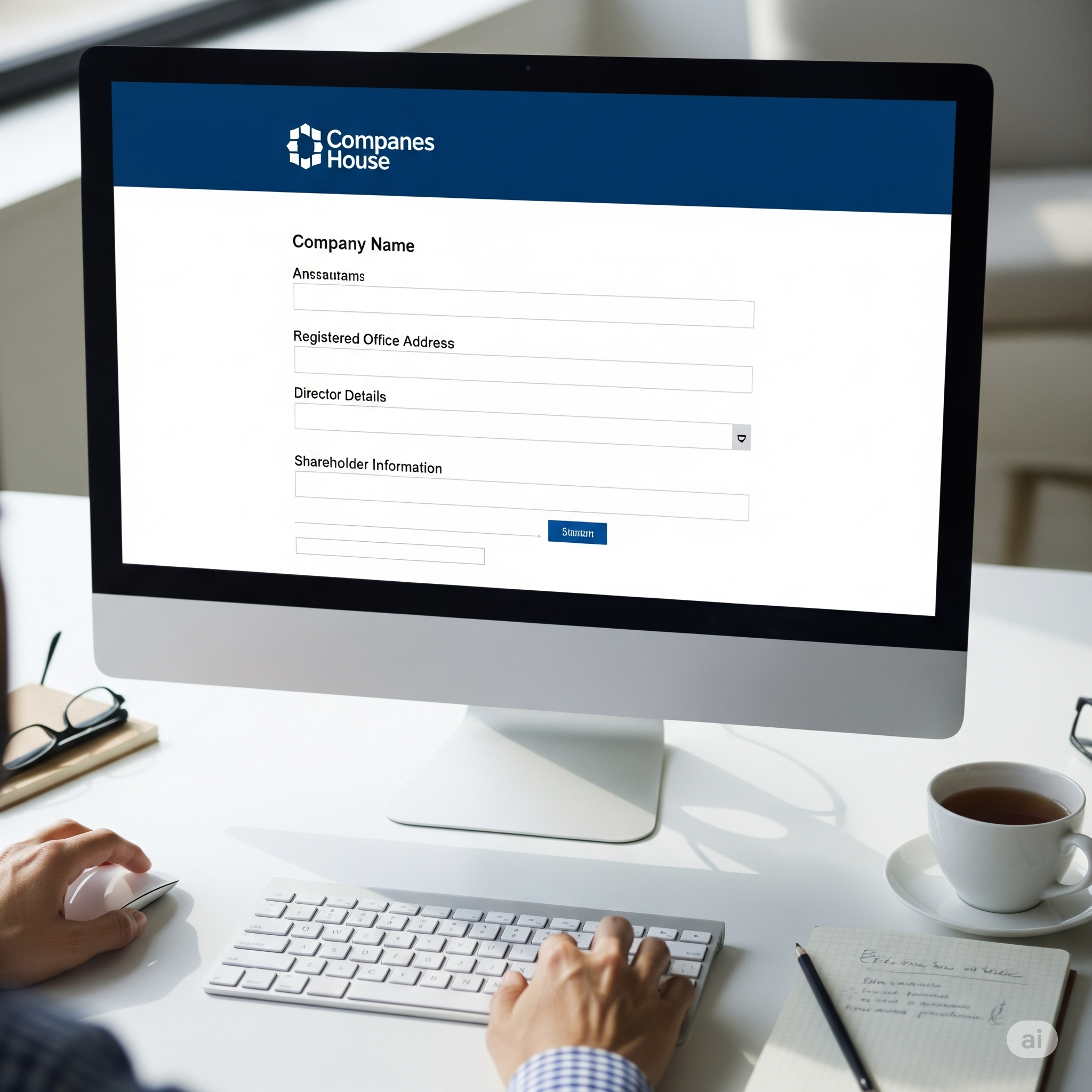
Starting your own business in the UK is a rewarding journey — but to operate legally, you must first register your company with the government. Whether you’re launching a small online shop, a freelance brand, or a large-scale enterprise, UK company registration is a vital first step.
In this article, you’ll learn exactly how to register a company in the UK, what documents you need, which types of companies you can choose from, and key points to follow to avoid mistakes.

Main points to regestering a company in UK:
-
Starting a business in the UK requires official company registration to operate legally
-
Suitable for freelancers, online shops, and large enterprises
-
UK registration is overseen by Companies House and is centralized and fast
-
USA registration varies by state, is often slower, and can be more expensive
-
UK formation typically takes 24 hours online
-
USA formation ranges from 1 day to several weeks depending on the state
-
UK’s most common business type is Private Limited Company (Ltd)
-
USA commonly uses LLCs or Corporations (Inc.)
-
UK uses AI-powered online portals for registration
-
USA has limited e-filing, often not fully digital
-
UK requires one director minimum, no residency requirement
-
USA rules vary by state, often similar in flexibility
-
UK companies pay Corporation Tax (currently 25%)
-
USA companies pay both federal and state taxes
-
UK requires a real physical registered office address in the UK
-
USA requires a registered agent with a local address
-
Company names in the UK are checked instantly via AI tools
-
USA name validation varies by state and may use outdated systems
-
UK director and shareholder info is public
-
Some USA states allow anonymous ownership
-
UK companies must file annual accounts and confirmation statements
-
USA companies must handle state reports, franchise tax, and EIN registration
-
UK registration cost is as low as £12 online
-
USA registration cost ranges from $50 to $500+ depending on state
-
UK registration is friendly for international founders
-
USA registration can be complex for non-residents
-
Choose a business structure: Ltd, Sole Trader, Partnership, LLP, or Charity
-
Pick a company name that’s unique, legal, and not misleading
-
Prepare company details: address, directors, shareholders, SIC code, legal documents
-
Register online with Companies House and pay the fee
-
Receive company number and certificate of incorporation
-
Register with HMRC for Corporation Tax within 3 months
-
Set up PAYE if hiring employees and keep financial records
-
Open a UK business bank account using official documents and ID
-
Optionally register for VAT if income exceeds £90,000/year or to reclaim VAT
-
Consider business insurance, trademark protection, and contracts
-
UK company registration is quick, affordable, and legally essential
-
With the right steps, anyone from students to entrepreneurs can start a UK company easily
Comparison Registering a Company in the UK vs. Registering a Company in the USA
| Feature | Registering a Company in the UK | Registering a Company in the USA |
|---|---|---|
| Jurisdiction Hub | Overseen by Companies House | Overseen by State Governments (varies by state) |
| Formation Time | Typically 24 hours online | Ranges from 1 day to several weeks, depending on the state |
| Popular Business Type | Private Limited Company (Ltd) | Limited Liability Company (LLC) or Corporation (Inc.) |
| Digital Filing Ecosystem | Fully AI-assisted portals for smart filing | Some states offer e-filing, but not fully AI-integrated |
| Director Requirements | One director minimum, no residency requirement | Varies by state, often no residency requirement |
| Tax Structure | Subject to Corporation Tax (currently 25%) | Subject to Federal & State Taxes (varies significantly) |
| Registered Office | Must have a UK physical address | Must have a Registered Agent with a physical state address |
| Company Name Rules | Checked instantly via AI-powered validation at Companies House | State-level name checks; some use outdated systems |
| Public Disclosure | Director and shareholder information is public | Some states allow anonymous ownership |
| Compliance Burden | Annual accounts and confirmation statements required | Annual reports, franchise tax, and EIN registration (varies) |
| Cost to Register | As low as £12 online | Varies widely — from $50 to $500+ depending on state |
| International Friendly | Strong for non-residents, especially with e-residency tools | More complex for foreigners; requires more documentation |
Registering a company in the UK offers a streamlined, fast, and digitally advanced process ideal for both locals and international entrepreneurs, with centralized control via Companies House. Meanwhile, registering in the USA provides more flexibility in structure and taxation but is fragmented due to state-by-state rules, making the process more varied and sometimes more costly or slower. The UK favors uniformity and simplicity; the USA favors customization and federal diversity.
Main Steps to Register a Company in the UK
To register a company in the UK:
✅ Choose a company structure → ✅ Pick a name → ✅ Register with Companies House → ✅ Set up taxes → ✅ Open a business bank account
Now, let’s go through each of these in detail.
Step 1: Choose the Right Company Structure
The UK offers different company types. You must decide which structure fits your business model:
-
Sole Trader – One person running the business; simple setup; personal liability
-
Limited Company (Ltd) – Separate legal entity; more credibility; limited personal risk
-
Partnership – Two or more people sharing control and profits
-
LLP (Limited Liability Partnership) – Partners have limited liability
-
Charitable Organisation – Non-profit with special registration rules
Most businesses register as a Private Limited Company (Ltd) for flexibility and protection.
Step 2: Pick a Unique Company Name
Your company name must be:
-
Unique (not used by any other UK business)
-
Not offensive or misleading
-
Not contain restricted words (like “British” or “Royal” without approval)
Check name availability using the Companies House online tool.
Tip: Secure a matching domain name if you plan to run a website.
Step 3: Prepare the Company Details
Before registering, gather these details:
-
Registered office address (must be in the UK)
-
Director(s) information (at least one is required)
-
Shareholders and how shares are divided
-
Company’s SIC code (your business activity type)
-
Memorandum & Articles of Association (legal rules for running the company)
You can use your accountant’s address as the registered office, but it must be a real, physical UK address.
Step 4: Register with Companies House
You can register your company:
-
Online at the official Companies House website
-
By post (takes longer)
-
Through an agent or accountant
Online Registration Steps:
-
Create a Government Gateway account
-
Fill in company information (name, directors, address, shares)
-
Pay the registration fee (usually £12 for online application)
Once approved, you’ll get a:
-
Certificate of Incorporation
-
Company Number (CRN)
-
Confirmation of official company status
Most online applications are approved within 24 hours.
Step 5: Register for Corporation Tax and HMRC
After your company is registered, you must inform HMRC (Her Majesty’s Revenue & Customs) within 3 months of starting business activities.
You’ll need to:
-
Register for Corporation Tax
-
Get a Unique Taxpayer Reference (UTR)
-
Set up PAYE if you’re hiring employees
-
Keep proper accounting records
Failure to register for tax on time may lead to penalties.
Step 6: Open a Business Bank Account
A UK business bank account helps you:
-
Separate personal and company finances
-
Accept payments professionally
-
Track business income and expenses easily
To open a bank account, you usually need:
-
Company registration documents
-
Proof of ID for all directors
-
Proof of business address
Some online-only banks now offer fast business account setup with low fees.
Optional: Register for VAT (if needed)
If your business income is over £90,000/year (2025 threshold), you must register for Value Added Tax (VAT).
Even below that amount, you can voluntarily register if:
-
You sell to other VAT-registered businesses
-
You want to reclaim VAT on purchases
Bonus Tip: Protect Your Business Legally
After registering, consider:
-
Getting business insurance (public liability, professional indemnity, etc.)
-
Trademarking your brand name or logo
-
Writing basic contracts for clients or suppliers
Summary: UK Company Registration in 6 Simple Steps
| Step | Purpose |
|---|---|
| 1. Choose company structure | Decide business type (Ltd, Sole Trader) |
| 2. Pick a name | Must be unique and legal |
| 3. Prepare details | Directors, shares, office, legal docs |
| 4. Register with Companies House | Get company number & official status |
| 5. Register with HMRC | Set up taxes and accounting |
| 6. Open bank account | Manage business finances separately |
Final Thoughts
Setting up a company in the UK has become easier and more streamlined in recent years. With just a bit of preparation, you can officially launch your brand, access new markets, and build your business legally and professionally.
From a student entrepreneur to a full-time founder, this guide gives you the official and practical path to company registration — no shortcuts, no confusion, and 100% compliant with UK law.