
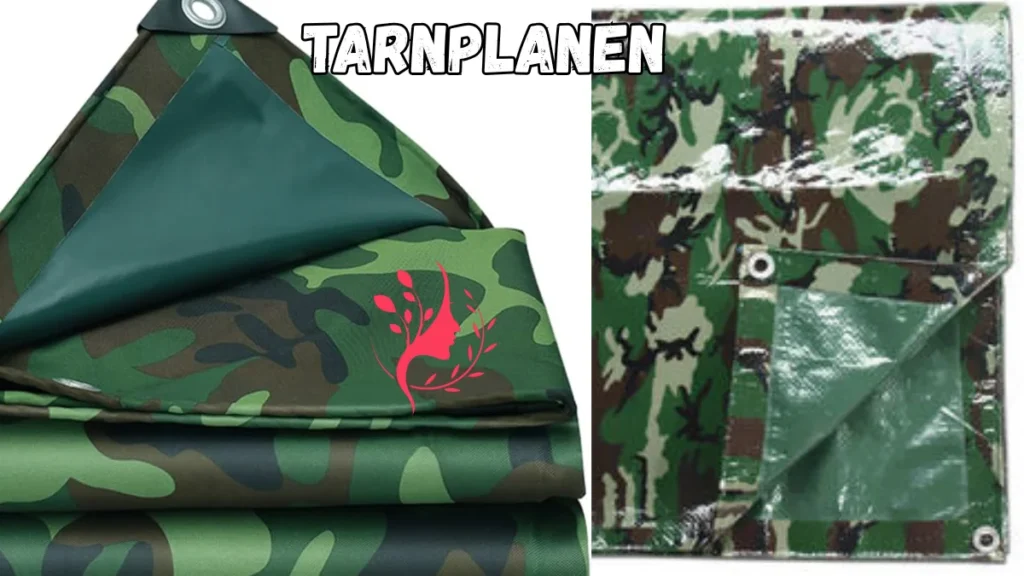
What Makes Tarnplanen Different from Ordinary Tarpaulins?
Unlike standard plastic tarps, Tarnplanen feature camouflage designs and reinforced construction. They are made from stronger materials like PVC, nylon, or canvas, offering superior durability, concealment, and weather resistance.
Importance of Camouflage Patterns in Tarnplanen Design
Camouflage patterns such as woodland, desert, arctic, or digital camo help Tarnplanen blend seamlessly into natural environments. This ability to reduce visibility makes them vital for hunting, tactical training, and military operations.
Tarnplanen as Shelter, Concealment, and Weather Protection
Tarnplanen are designed to shield users from wind, rain, and sun while also providing concealment. Whether used as tent covers, groundsheets, or gear covers, they ensure both protection and stealth in outdoor conditions.
Most Durable Materials for Camouflage Tarpaulins
-
Nylon (ripstop): Lightweight and portable, ideal for hiking and survival.
-
PVC: Thick and heavy-duty, perfect for long-term use in rough conditions.
-
Canvas: Traditional and extremely durable, though heavier to carry.
The best choice depends on whether portability or maximum durability is the priority.
Reinforced Eyelets and Double-Stitched Seams for Durability
Reinforced eyelets prevent tearing when ropes are tied under strain, while double-stitched seams extend the lifespan of the tarp. These construction details make Tarnplanen far stronger than ordinary tarps.
Role of Tarnplanen in Military and Tactical Operations
In military use, Tarnplanen conceal vehicles, equipment, and personnel. Their durable fabrics withstand harsh field environments, while camouflage designs reduce the risk of detection.
Tarnplanen for Hunters and Wildlife Photographers
Hunters use Tarnplanen as blinds to remain hidden from animals, while photographers rely on them to capture natural wildlife behavior without disturbance. Unlike regular tarps, they are quiet and discreet.
Tarnplanen in Survival and Emergency Situations
In emergencies, Tarnplanen can be used as makeshift shelters, rainwater collectors, ground mats, or even signaling tools when reflective sides are present. They are a must-have addition to any survival kit.
Benefits of Tarnplanen
Civilians use Tarnplanen to protect boats, woodpiles, garden furniture, or construction supplies. Their durability and weather resistance make them more cost-effective than thin plastic covers.
Choosing the Right Tarnplanen Size, Weight, and Material
-
Size: Small (2×3 m) for personal use, large (10×12 m) for vehicles.
-
Weight: Nylon for portability, PVC/canvas for heavy-duty protection.
-
Pattern: Match the camouflage design with the intended environment.
Best Camouflage Patterns for Different Terrains
-
Woodland: Forests and green areas
-
Desert: Dry and sandy landscapes
-
Snow camo: Alpine or icy environments
-
Multicam: Adaptable to mixed terrains
Tarnplanen for Camping and Hiking
For camping, Tarnplanen function as emergency shelters, rain covers, or shade providers. For hikers, lightweight designs ensure easy portability while still offering strong weather protection.
Cost-Effectiveness of Tarnplanen Compared to Plastic Tarps
Although Tarnplanen may cost more initially, they last significantly longer, resist UV damage, and are less prone to tearing. This makes them more affordable in the long run.
Maintenance Tips for Extending Tarnplanen Lifespan
-
Wash with mild soap after use.
-
Allow to air dry completely to prevent mold.
-
Patch small tears with repair kits.
-
Store in a dry, shaded place.
With proper care, a Tarnplanen can last for many years.
Tarnplanen vs Traditional Camouflage Fabrics
While traditional camouflage fabrics are mainly for clothing, Tarnplanen serve multiple purposes—shelter, concealment, and weather protection—making them more versatile for outdoor use.
Challenges and Limitations of Tarnplanen
-
Environment: One pattern cannot suit all terrains.
-
Durability: Heavy use can eventually cause wear.
-
Technology: Advanced detection like thermal imaging can still identify them.
Weather Resistance of Tarnplanen
High-quality Tarnplanen are waterproof, UV-resistant, and windproof. PVC-coated models can even endure snow loads and strong storms, making them highly reliable in harsh conditions.
Eco-Friendly and Sustainable Tarnplanen Options
Some modern Tarnplanen are now made with recycled polyester and biodegradable coatings, providing sustainability without sacrificing performance.
Use of Optics and Visual Perception in Tarnplanen Technology
Camouflage designs disrupt outlines, making objects harder to detect. By mimicking natural colors and breaking up shapes, Tarnplanen effectively blend into their surroundings.
Future Innovations in Tarnplanen Technology
Future designs may include:
-
Infrared-blocking coatings
-
Thermal insulation layers
-
Smart textiles that adjust to surroundings
These innovations will make Tarnplanen even more effective for concealment.
Tarnplanen as Essential Survival Gear
Tarnplanen are lightweight, versatile, and multifunctional. From providing shelter and water collection to protecting equipment, they are considered essential by survivalists.
Reversible Camouflage Tarps for Extra Utility
Reversible Tarnplanen offer two camouflage patterns—such as woodland on one side and snow camo on the other—making them useful in changing environments.
Effective Setup Techniques for Tarnplanen Shelters
-
Use a ridgeline for an A-frame design.
-
Angle the tarp to block wind or shed snow.
-
Reinforce corners with guy lines for maximum stability.
Tarnplanen Adaptation Across Environments
In forests, they act as hunting blinds; in deserts, they provide shade; and in urban areas, they support covert tactical operations.
Lasting Popularity of Tarnplanen Among Outdoor Enthusiasts
Tarnplanen continue to be trusted by soldiers, hunters, and campers alike because they combine camouflage, weather resistance, and multifunctionality in one reliable product.