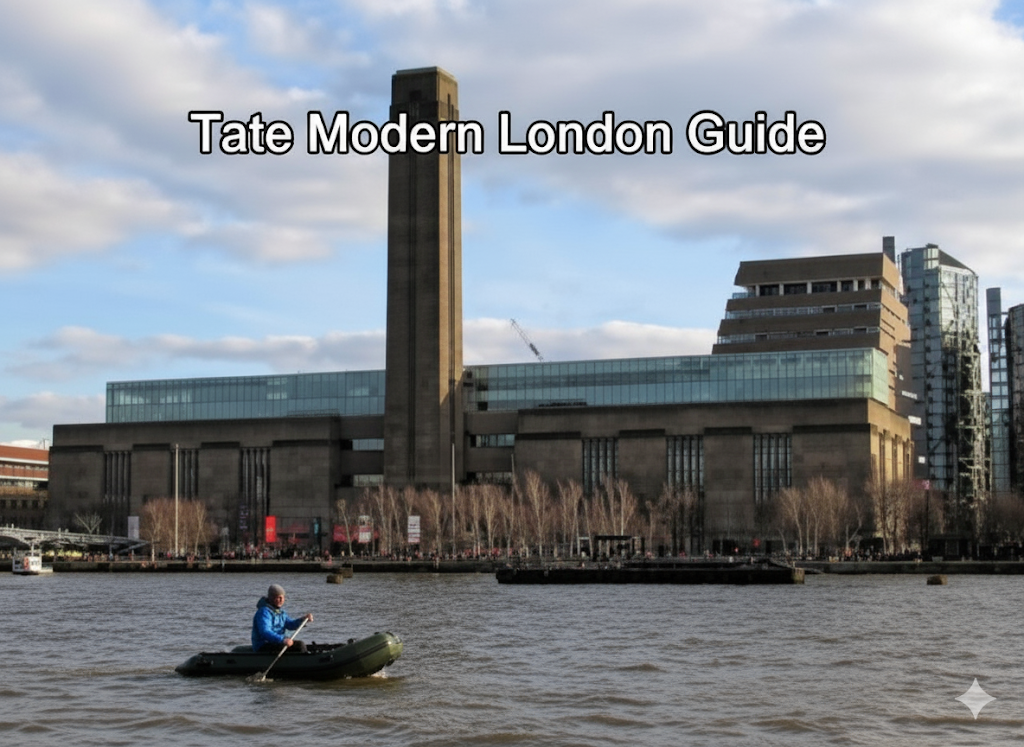
If you’re visiting London and want to dive into the world of modern art, there’s one place that absolutely has to be on your list — Tate Modern London. It’s not just a museum; it’s an experience. From giant, thought-provoking installations to paintings that spark deep conversations, Tate Modern is where creativity meets curiosity.
Whether you’re an art lover or simply curious about what makes this place so famous, this guide will walk you through everything you need to know: its history, must-see highlights, how to plan your visit, and even insider tips to make the most of your time.
Why Tate Modern London Is So Special?
London is packed with museums, but Tate Modern stands out for a few big reasons:
-
It’s free to enter (except for special exhibitions).
-
It’s home to some of the world’s most famous modern and contemporary art.
-
It’s inside a converted power station — yes, you’re exploring art inside what used to be a factory!
-
It has jaw-dropping views of the River Thames, Millennium Bridge, and St. Paul’s Cathedral.
Simply put, Tate Modern isn’t just a gallery where you stare at paintings — it’s a place that makes you feel, think, and even question the world around you.

A Quick History of Tate Modern
Before it became the cultural landmark it is today, the building had a very different purpose.
From Power Station to Art Powerhouse
-
Originally, the site was Bankside Power Station, built after World War II.
-
Designed by Sir Giles Gilbert Scott (the same architect who designed the famous red telephone box).
-
By 1981, the power station closed, and the building sat unused for nearly two decades.
-
In 2000, after major renovations, it reopened as Tate Modern — instantly becoming one of the most visited art museums in the world.
That mix of old industrial charm and modern creativity is part of what makes the building itself as fascinating as the art inside.
The Collection: What You’ll See Inside
Tate Modern’s collection is massive and constantly evolving. It houses works by some of the most famous artists in history, alongside groundbreaking new talent.
The Big Names You’ll Find
When people think of Tate Modern London, they often think of iconic artists like:
-
Pablo Picasso
-
Andy Warhol
-
Salvador Dalí
-
Henri Matisse
-
Mark Rothko
-
Frida Kahlo
-
Damien Hirst
These names alone make it worth visiting, but what’s special is how the museum mixes classics with surprising, bold contemporary works.
Types of Art on Display
You won’t just find traditional paintings here. Tate Modern features:
-
Paintings and Drawings – Modern masters and contemporary creators.
-
Sculptures – From small abstract pieces to massive installations.
-
Photography – Both documentary and experimental.
-
Film and Video Art – Creative moving-image pieces.
-
Performance Art – Sometimes you’ll even see live performances inside.
The variety keeps every visit fresh and exciting.
The Famous Turbine Hall
Ask anyone what stands out about Tate Modern, and they’ll likely mention the Turbine Hall.
-
It’s a massive industrial space that once housed machinery for the power station.
-
Today, it’s used for some of the boldest art installations in the world.
-
Artists often create site-specific works that interact with the vastness of the hall.
Some unforgettable past works include Olafur Eliasson’s “The Weather Project” (a giant glowing sun that filled the space) and Ai Weiwei’s “Sunflower Seeds” (millions of tiny hand-painted porcelain seeds).
When you step into Turbine Hall, you never quite know what you’ll find — and that’s part of the magic.
Highlights You Can’t Miss
While Tate Modern is huge, there are a few must-see highlights you should look out for:
-
Rothko’s Seagram Murals – Dark, moody paintings that feel almost spiritual.
-
Warhol’s Pop Art Pieces – Bright, playful works that capture consumer culture.
-
Picasso’s Weeping Woman – An emotional, powerful painting that speaks volumes about war and pain.
-
The View from the Blavatnik Building – A free viewing platform with panoramic views of London.
-
Interactive Installations – Depending on the season, you might find immersive experiences where you can walk inside the art.
Planning Your Visit
Let’s make sure you know how to get the most out of your trip to Tate Modern London.
Location and Getting There
-
Address: Bankside, London SE1 9TG.
-
Nearest Tube Stations: Southwark (Jubilee Line) or St. Paul’s (Central Line).
-
Many visitors also cross the Millennium Bridge from St. Paul’s Cathedral — it’s a beautiful walk straight into the museum.
Opening Hours
-
Daily: 10:00 am – 6:00 pm
-
Closed: 24–26 December
(Always double-check on their official website before going, as hours can change.)
Entry Fees
-
General admission: Free
-
Special exhibitions: Paid tickets required (prices vary depending on the show).

Best Time to Visit
Tate Modern is one of the most popular museums in the world, so timing matters if you want to avoid crowds.
-
Weekday mornings are usually quieter.
-
Evenings on Fridays and Saturdays can also be peaceful.
-
Summer afternoons tend to be the busiest.
Pro tip: if you want those stunning rooftop views, try to go just before sunset. Watching the sun dip over London from Tate Modern is unforgettable.
Food, Shops, and Extras
Exploring art works up an appetite, and Tate Modern has you covered.
-
Cafés and Restaurants – Options range from quick snacks to sit-down meals overlooking the Thames.
-
Gift Shops – Perfect for picking up art-inspired souvenirs, books, and quirky gifts.
-
Family Areas – Spaces designed for kids to explore art in playful ways.
Tips for First-Time Visitors
Here are some simple ways to make your trip smoother:
-
Wear comfortable shoes – The place is huge, and you’ll walk a lot.
-
Start at the Turbine Hall – It sets the tone for the whole experience.
-
Don’t try to see everything in one go – Focus on a few key sections to avoid “art fatigue.”
-
Bring a notebook or use your phone – You’ll want to jot down ideas or artists that inspire you.
-
Check for temporary exhibitions – These can be once-in-a-lifetime experiences.
Why Young Entrepreneurs and Creators Should Visit?
You might be wondering, “I’m not an art person — is Tate Modern for me?” The answer is yes, absolutely.
For entrepreneurs, innovators, and creators of all kinds, Tate Modern offers:
-
Fresh ideas that challenge how you see the world.
-
Lessons in creativity, risk-taking, and boldness.
-
Spaces to reflect, recharge, and spark new projects.
Art isn’t just about beauty — it’s about perspective. And Tate Modern delivers that in spades.
Accessibility and Facilities
Tate Modern London is one of the most accessible museums in the city.
-
Wheelchair accessible throughout.
-
Accessible toilets and baby-changing facilities.
-
Hearing loops for visitors with hearing aids.
-
Free wheelchairs available to borrow.
Everyone deserves to enjoy art, and Tate Modern makes sure of it.
Events and Programs
Beyond the exhibitions, Tate Modern runs a wide variety of events, workshops, and talks.
-
Tate Lates – Monthly evening events with music, film, and discussions.
-
Family Workshops – Fun and interactive activities for kids.
-
Artist Talks – Hear directly from creators about their work.
-
Film Screenings – Experimental cinema and documentaries.
These programs make Tate Modern more than just a museum — it’s a living, breathing hub of culture.
Tate Modern vs. Other Tate Museums
You may have noticed the word “Tate” in other museums too. That’s because Tate Modern is part of a group of four:
-
Tate Britain (London) – Focuses on British art from 1500 to today.
-
Tate Modern (London) – The modern and contemporary branch.
-
Tate Liverpool – A major art space in northern England.
-
Tate St Ives (Cornwall) – Celebrates artists inspired by the coastal landscape.
If you love Tate Modern, you might want to explore the others on future trips.
Digital Tate Modern: Explore from Home
Can’t make it to London just yet? Good news: Tate Modern offers plenty of online resources.
-
Virtual Tours – Explore galleries from your laptop.
-
Tate Kids – Fun, interactive learning for younger audiences.
-
Online Exhibitions and Talks – Dive into the art world from anywhere.
So even if you’re miles away, you can still connect with what makes Tate Modern special.

More Than Just a Museum
Tate Modern London isn’t just about looking at art. It’s about feeling inspired, challenged, and connected to the creative spirit that shapes our world. Whether you spend an hour here or a whole day, you’ll walk away with something new — a fresh idea, a powerful memory, or simply a moment of awe.
So, the next time you’re in London, don’t just take a photo of the building from the outside. Step in. Wander through its vast halls. Let the art speak to you. And maybe, just maybe, you’ll leave with a new way of seeing the world.
Hidden Gems Inside Tate Modern
Tate Modern is full of surprises, and many visitors miss some of the best details because they rush through. Here are a few hidden gems to look out for:
-
The Tanks – Underground spaces used for experimental performances, film, and live art. They feel raw and industrial, giving you a sense of Tate Modern’s power station roots.
-
Small Side Galleries – While the main exhibits draw crowds, some smaller rooms showcase lesser-known artists whose works can be just as powerful.
-
Architecture Details – Look up and around; the blend of old brickwork with modern glass and steel is a work of art in itself.
-
The Stairs – Yes, even the staircases are designed with creativity. Many people stop to take photos here.
Exploring slowly helps you notice these little treasures.
Fun Facts About Tate Modern London
Who doesn’t love a few surprising tidbits?
-
It’s one of the most visited modern art museums in the world — with millions of visitors every year.
-
The building is huge — it’s about the size of seven football pitches.
-
The museum was built on a budget — when it first opened, the architects reused many of the power station’s features, making it a model of sustainable design.
-
Some art is controversial — certain pieces have shocked or divided opinions, which is exactly what modern art is meant to do.
-
It’s constantly changing — new exhibitions and installations mean no two visits are ever the same.
These facts make Tate Modern not just a museum, but a story worth telling.
FAQs About Visiting Tate Modern London
Is Tate Modern free?
Yes! Entry to the main collection is completely free. Only special exhibitions require a ticket.
How much time should I spend there?
Plan at least 2–3 hours for a basic visit. If you’re a real art lover, you could easily spend half a day or more exploring.
Can I take photos inside?
Photography is allowed in most areas, but flash and tripods are usually not permitted. Always check signs in special exhibitions, as some may have restrictions.
Is Tate Modern kid-friendly?
Absolutely. With dedicated family spaces, workshops, and interactive activities, kids often enjoy Tate Modern just as much as adults.
Can I eat inside?
Yes. There are cafés, a restaurant, and even spots to grab quick snacks. You can also picnic outside by the river if the weather is nice.
Insider Tips for a Better Experience
Want to feel like a Londoner instead of a tourist? Try these insider hacks:
-
Go early or late – You’ll avoid the busiest crowds and enjoy the art in peace.
-
Use the side entrance – It’s usually less crowded than the main Turbine Hall entrance.
-
Don’t skip the rooftop – Even if you’re short on time, the viewing platform is a must.
-
Check the events calendar – You might catch a talk, film, or workshop happening during your visit.
-
Take breaks – Tate Modern is big, so give yourself time to sit, reflect, and recharge.
Tate Modern and the London Skyline
One of the best things about Tate Modern is its location. Sitting on the south bank of the Thames, it gives you stunning views of London landmarks:
-
Millennium Bridge – The pedestrian bridge that connects Tate Modern to St. Paul’s Cathedral.
-
St. Paul’s Cathedral – Just across the river, its dome creates one of the city’s most iconic views.
-
The Shard – Visible from the viewing platform, this glass skyscraper towers over London.
-
The Thames – Watching boats go by while standing outside Tate Modern is a peaceful bonus.
So even when you’re outside the galleries, the surroundings feel like part of the art experience.

Why People Love Tate Modern?
Not everyone agrees on what counts as art, and Tate Modern embraces that debate. Some people love the daring, thought-provoking works. Others leave scratching their heads, wondering what they just saw.
That’s the beauty of modern art — it makes you think, laugh, or even argue. Tate Modern isn’t about telling you what to feel; it’s about sparking your own reactions.
If you leave with questions instead of answers, that means the art did its job.
Tate Modern for First-Time Art Lovers
If you’re new to modern art, don’t worry — Tate Modern is designed for you too. Here’s how to enjoy it without feeling overwhelmed:
-
Start with the big names you’ve heard of (Picasso, Warhol, Kahlo).
-
Wander into one or two new sections you know nothing about.
-
Don’t worry if you “don’t get it” — just focus on how the piece makes you feel.
-
Take breaks and enjoy the building as much as the art.
Remember, there’s no “right way” to enjoy art. Your experience is yours alone.
Final Takeaway
Tate Modern London isn’t just another stop on the tourist trail. It’s a place that challenges how we see the world, encourages new ways of thinking, and creates unforgettable memories.
Whether you’re gazing up at massive installations in the Turbine Hall, catching the sunset from the viewing platform, or exploring hidden corners of the museum, Tate Modern gives you something rare — the chance to connect with creativity on a global scale.
So next time you’re in London, make the time. Step inside, wander slowly, and let the art (and the building itself) surprise you. Tate Modern is more than a museum — it’s an adventure for your eyes, mind, and soul.