
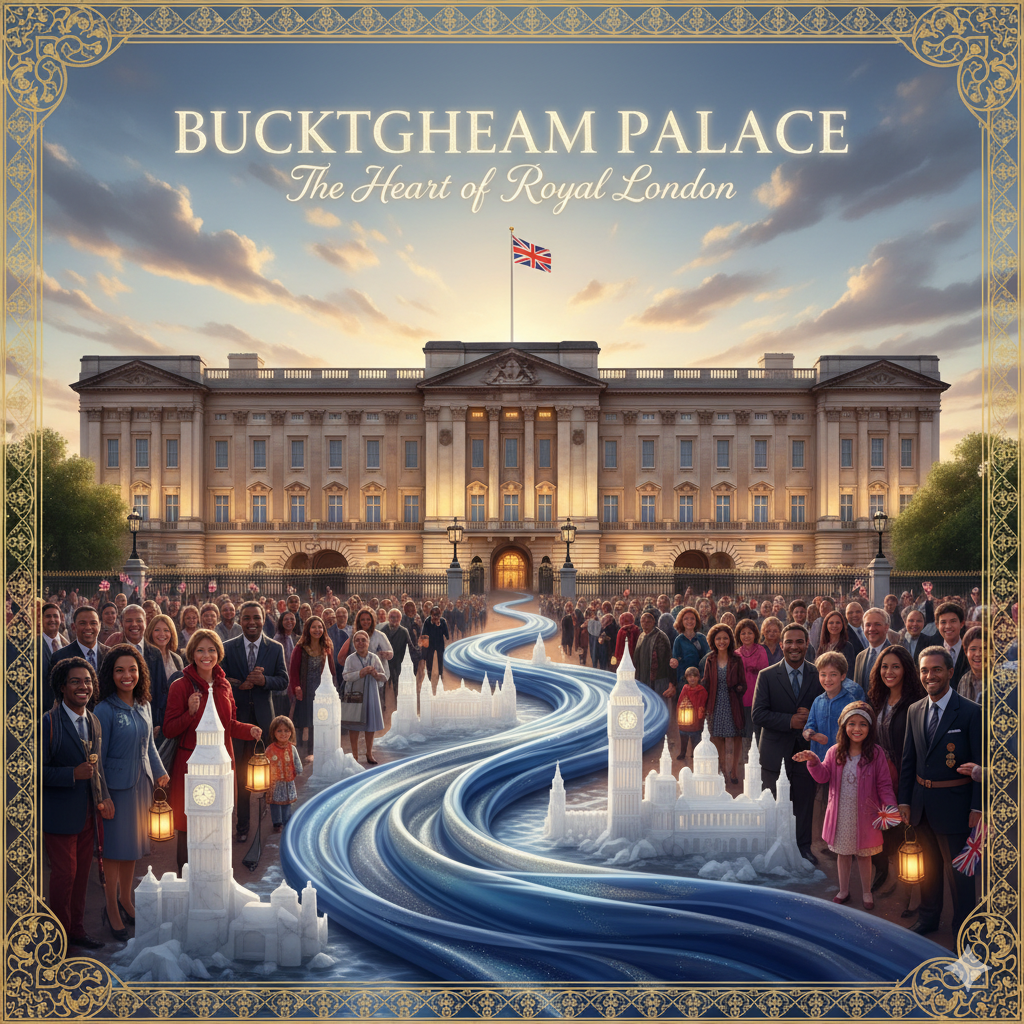
When you think of London, what’s the very first image that pops into your mind? For many people, it’s Big Ben, maybe the London Eye, or a red double-decker bus rolling past historic streets. But for millions around the world, the most iconic image of London is none other than Buckingham Palace—the official residence of the British monarch, and the beating heart of royal life in the United Kingdom.
Now, here’s the thing: Buckingham Palace is not just a grand house. It’s a living, breathing symbol of history, tradition, and modern monarchy. And if you’ve ever found yourself scrolling through Reddit travel threads (yes, Reddit is full of curious travelers swapping stories), you’ll notice one thing—almost everyone visiting London has Buckingham Palace on their bucket list.
So, let’s dive into this fascinating royal landmark together. I’ll walk you through its history, secrets, cultural importance, and what you can actually expect when you visit. Whether you’re a history buff, a traveler planning a trip, or just curious about the royals, this guide will feel like a friendly tour with plenty of fun facts along the way.


A Quick Glance: Why Buckingham Palace Matters
Before we get into the deep details, let’s cover why this place is so important.
-
Official residence of the monarch – It’s where the King lives (currently King Charles III).
-
The workplace of the monarchy – This is where state banquets, official meetings, and royal events happen.
-
Cultural symbol – Think of it as the UK’s version of the White House, but with more gold trim and fewer press conferences.
-
Tourist hotspot – Millions of visitors come each year just to stand outside its gates or watch the Changing of the Guard.
If London is the crown, Buckingham Palace is its jewel.
Chapter 1: The Origins of Buckingham Palace
From a Townhouse to a Palace
It’s hard to imagine now, but Buckingham Palace wasn’t always this giant, ornate royal home. Back in 1703, it started as a townhouse built for the Duke of Buckingham. That’s right—it wasn’t even meant for a king or queen at first.
Fast forward a bit, and King George III bought it in 1761 as a private residence for Queen Charlotte. People back then simply called it “The Queen’s House.” It wasn’t until 1826 that King George IV decided it should be expanded and turned into something more palace-like.
The architect John Nash was brought in, and let’s just say he had a flair for grandeur. He transformed the modest house into a palace fit for royalty, though his overspending on the project earned him some criticism.
A Palace with Layers of History
Every monarch since then has added something new. Queen Victoria, for example, was the first monarch to officially call Buckingham Palace her home. She moved in during 1837 and made it the administrative center of the monarchy.
Later, Queen Elizabeth II modernized parts of the palace, and now King Charles III continues to maintain it as both a home and a workplace.
Think of it like a giant family house that keeps getting renovated by each new generation—but instead of repainting the kitchen, they’re adding entire wings, ballrooms, and secret tunnels.
Chapter 2: The Architecture and Design
If you’ve ever seen Buckingham Palace in person, you know it’s huge. And I mean, jaw-droppingly huge. Let’s put some numbers on it:
-
775 rooms in total
-
19 state rooms used for official events
-
52 royal and guest bedrooms
-
188 staff bedrooms (yes, it’s like a small city inside)
-
92 offices
-
78 bathrooms
That’s more rooms than most hotels.
The Iconic Facade
The front of Buckingham Palace—the side everyone sees in photos—was redesigned in 1913 with Portland stone. That’s the classic look we know today, with the grand central balcony where the royal family waves during big events.
The State Rooms
When the palace opens for tours in summer, visitors can step inside the State Rooms. These are not just fancy lounges—they’re masterpieces of art and history. Picture gilded ceilings, crystal chandeliers, priceless paintings by artists like Rembrandt, and furniture that makes IKEA look like a Lego set.
The Royal Gardens
Behind the palace lies a 39-acre garden, the largest private garden in London. There’s a lake, tennis courts, and even a helicopter landing area. Royals can literally walk in their backyard and feel like they’re in the countryside.
Buckingham Palace vs. Other London Landmarks
| Feature | Buckingham Palace | Tower of London | Westminster Abbey | London Eye |
|---|---|---|---|---|
| Role | Monarch’s residence & state hub | Fortress & Crown Jewels | Coronation & weddings | Modern tourist attraction |
| Built | 1703 | 1066 | 960 AD | 2000 |
| Active Use | Still royal home | Historic only | Ceremonial | Entertainment |
| Unique Advantage | Only working royal palace in London | Crown Jewels | Coronations since 1066 | Panoramic city views |
Chapter 3: Life Inside Buckingham Palace
Now, you might be wondering—what’s daily life like inside Buckingham Palace?
Well, it’s a mix of royal tradition and regular household routine. Yes, there are lavish banquets, but there are also morning briefings, paperwork, and endless meetings.
-
The King’s office – Believe it or not, Buckingham Palace functions like an office building for the monarchy.
-
Royal banquets – State dinners can host hundreds of guests, with tables stretching across massive ballrooms.
-
Changing of the Guard – The world-famous ceremony happens right outside, with soldiers in red uniforms and bearskin hats.
And no, the Queen (or King) doesn’t actually cook their own breakfast. There’s a team of chefs, staff, and assistants who make sure everything runs smoothly.
Chapter 4: Famous Events at Buckingham Palace
Buckingham Palace isn’t just a house—it’s a stage where history unfolds. Some of the most memorable events in British history have happened here.
Royal Weddings
Although most royal weddings now take place in cathedrals (like Westminster Abbey or St. George’s Chapel), the palace often hosts the receptions. For example, Prince William and Kate Middleton greeted the crowds from the balcony after their wedding in 2011.
Jubilees and Celebrations
From Queen Victoria’s Golden Jubilee to Queen Elizabeth II’s Platinum Jubilee, the palace has always been the center of national celebrations. Imagine hundreds of thousands of people filling the Mall (the big road leading up to the palace) waving flags and cheering.
Historic Announcements
Whenever something major happens in the royal family—like births, deaths, or coronations—the palace is where the official announcement is made. Even today, a traditional notice is placed on an easel outside the gates for the world to see.
Chapter 5: Buckingham Palace on Reddit
Here’s where it gets fun. If you head over to Reddit, especially subreddits like r/travel, r/London, or even r/AskUK, you’ll find countless threads where travelers discuss their experiences at Buckingham Palace.
People share everything from:
-
The best time to see the Changing of the Guard without being crushed by the crowd.
-
Whether it’s worth paying for a summer tour of the State Rooms.
-
Funny stories, like tourists expecting the King to casually wave from a window (spoiler: he won’t).
-
Photos that capture the grandeur of the gates, guards, and palace lit up at night.
One common theme? Visitors are always amazed by the sheer size and detail of the palace. Even if you’ve seen it in movies or on TV, nothing quite prepares you for standing in front of those gates in person.
Chapter 6: Visiting Buckingham Palace – A Traveler’s Guide
So, let’s say you’re planning a trip to London. How do you make the most of your Buckingham Palace visit?
The Changing of the Guard
-
Happens on certain days (usually around 11 a.m.).
-
Get there early if you want a good spot—it gets crowded.
-
The ceremony lasts about 45 minutes, with music and marching.
Summer Opening of the State Rooms
-
Every summer, the palace opens parts of the interior for tours.
-
Tickets sell fast, so book in advance.
-
You’ll see priceless art, royal furniture, and rooms used for state events.
The Royal Mews and Queen’s Gallery
-
The Royal Mews shows off the royal carriages, including the Golden State Coach.
-
The Queen’s Gallery houses rotating art exhibitions from the Royal Collection.
Tips for Your Visit
-
Bring a camera, but know that photography inside the State Rooms is not allowed.
-
The best photo spots are outside the gates and down the Mall.
-
Combine your visit with a walk through St. James’s Park, which is right next door.
Chapter 7: Fun Facts You Probably Didn’t Know
Let’s wrap up with some quirky, lesser-known facts about Buckingham Palace:
-
During World War II, the palace was bombed nine times, but the royal family stayed in London to boost morale.
-
There’s a secret tunnel linking Buckingham Palace to nearby government buildings.
-
The palace has its own post office, police station, cinema, swimming pool, and doctor’s office.
-
Around 50,000 guests are invited to events at the palace every year.
-
Queen Elizabeth II gave her first televised Christmas message from the palace in 1957.
Conclusion: Why Buckingham Palace Still Captures Our Imagination
At the end of the day, Buckingham Palace is more than just bricks, stone, and gold. It’s a living symbol of Britain’s history, monarchy, and cultural identity. From its humble beginnings as a townhouse to its role today as the King’s official residence, the palace has evolved with the times but never lost its grandeur.
When you stand outside those famous gates, surrounded by fellow travelers, guards in full regalia, and the buzz of London life, you feel a strange mix of awe and connection. It’s not just about the royals—it’s about being part of a story that has been unfolding for centuries.
So whether you’re scrolling through Reddit threads for travel advice, planning your own trip, or just daydreaming from afar, one thing is certain: Buckingham Palace will always remain the heart of Royal London.